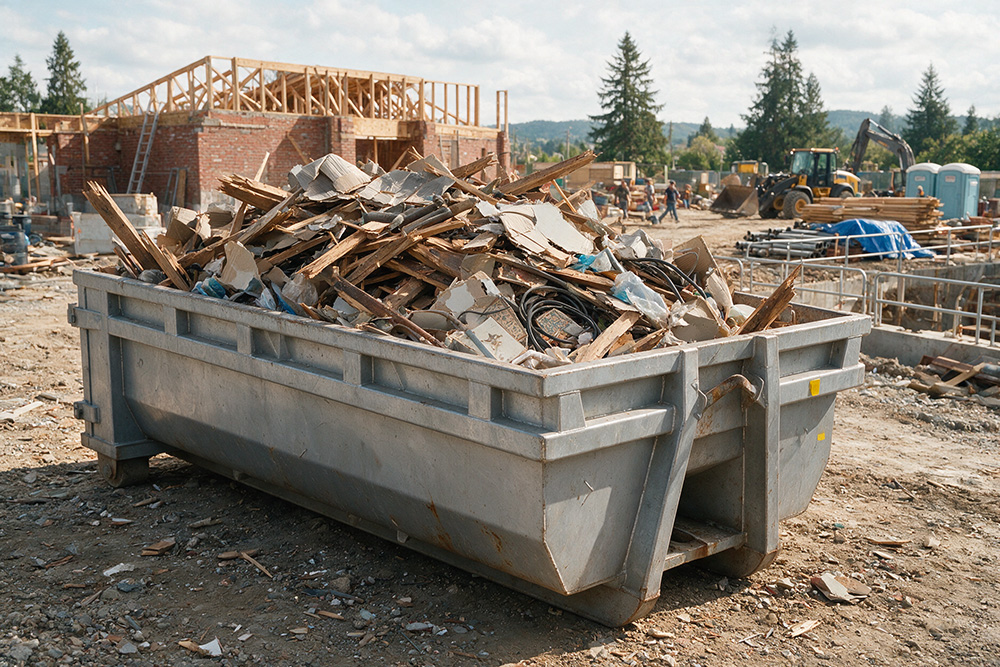
Not all dumpsters full of debris are the same. A container packed with old furniture and drywall weighs a fraction of what the same container filled with concrete or roofing shingles weighs, and that weight difference has direct consequences for the cost and logistics of the rental. Understanding why heavy materials are handled differently protects you from contamination charges and unexpected fees at the end of a project. Contact All Waste Dumpsters at (352) 644-1141 and describe your materials before booking so the rental is priced and sized correctly from the start.
Why does material type matter so much for a dumpster rental?
Disposal facilities price by weight, not by volume. A cubic yard of household junk, loose lumber, or general construction debris weighs far less than a cubic yard of concrete, dirt, brick, or asphalt shingles. When a disposal facility receives a load, it goes across a scale, and the charge to the hauler reflects that weight. Those weight-based costs get built into the rental pricing, which is why a container of heavy materials costs more than the same size container of lighter debris.
The other issue is what the truck can physically carry. Roll-off trucks have weight limits. A dumpster that looks only half full of concrete may already be at the limit the truck can haul safely and legally. A container that is genuinely full of lighter mixed debris might weigh significantly less. Visual fullness and actual weight are two different things with heavy materials, and confusing the two is how customers end up with a container that cannot be picked up as loaded.
How does All Waste Dumpsters handle concrete, dirt, and similar heavy materials?
Heavy materials like concrete, dirt, and brick are discussed at the time of every booking. All Waste Dumpsters does not want concrete and dirt mixed into general debris loads, both because of the weight implications and because these materials often go to separate processing facilities. When a customer is doing a concrete driveway removal, a dirt excavation, or a masonry demolition, that is a dedicated load conversation rather than a general cleanout booking. The right container for that job, sized and priced appropriately for the material weight, is a different answer than the container for a house cleanout or a roof tear-off. See the container options and call to confirm which fits your specific material.
What are contamination charges, and how do you avoid them?
Contamination charges apply when a container comes back to the facility with materials that were not part of the original agreement and create a disposal problem. Heavy materials like concrete mixed into a standard mixed-load dumpster are a common example. When the disposal facility receives a load and finds materials that require separate handling or that push the load over weight thresholds, those additional costs come back to the hauler and get charged to the customer.
The charges are meaningful: All Waste Dumpsters sees contamination fees ranging from $200 to $800 depending on the materials involved, on top of the original rental cost. The prevention is a straightforward booking conversation about exactly what will be going into the container. Customers who are upfront about their materials at booking avoid those charges. Customers who add prohibited or undisclosed heavy materials after the fact are responsible for whatever additional costs result.
What is the right approach for a project with multiple material types?
Larger projects that involve both heavy materials and general debris sometimes need more than one container, or a sequenced approach where the heavy materials are hauled first and the lighter debris follows. This is a common setup for full renovation projects where demolition generates both concrete and general construction waste. Call All Waste Dumpsters at (352) 644-1141 and describe the full scope of the project before booking. A five-minute conversation about materials saves a significantly larger conversation about fees after the container comes back.